WELL-BEING AS A
SELECTION CRITERION.
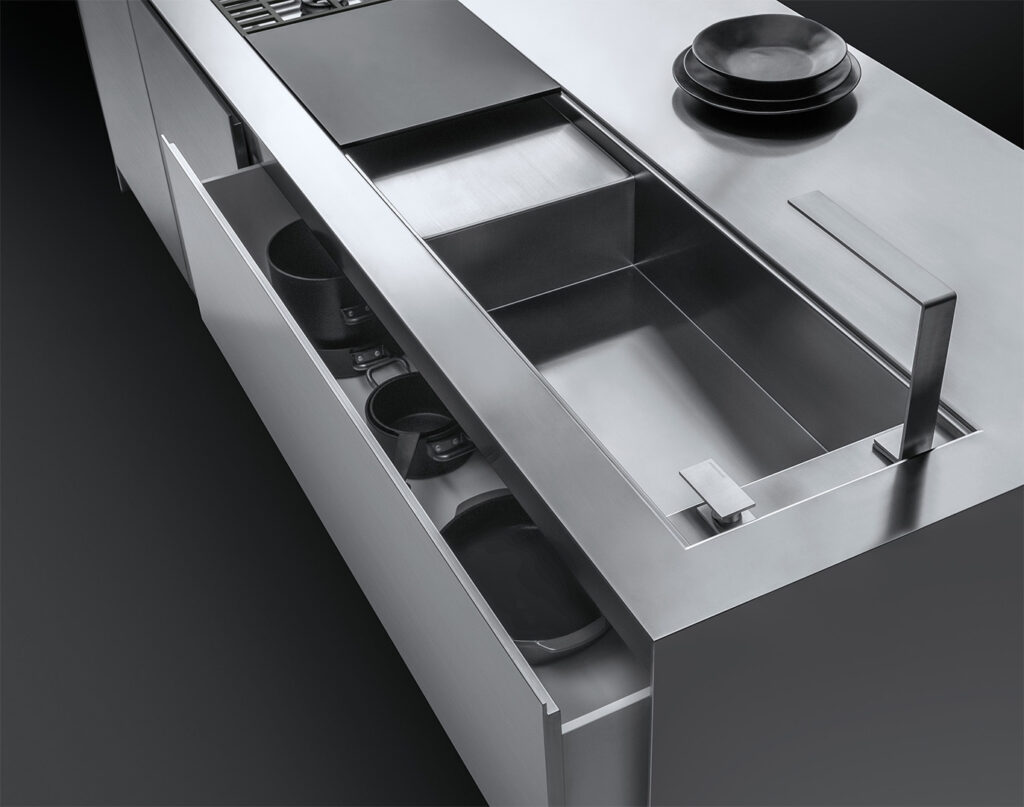
A company that pays particular attention to product ergonomics during the design phase to ensure maximum functionality which, in the kitchen, results in greater energy savings and higher levels of safety and comfort.
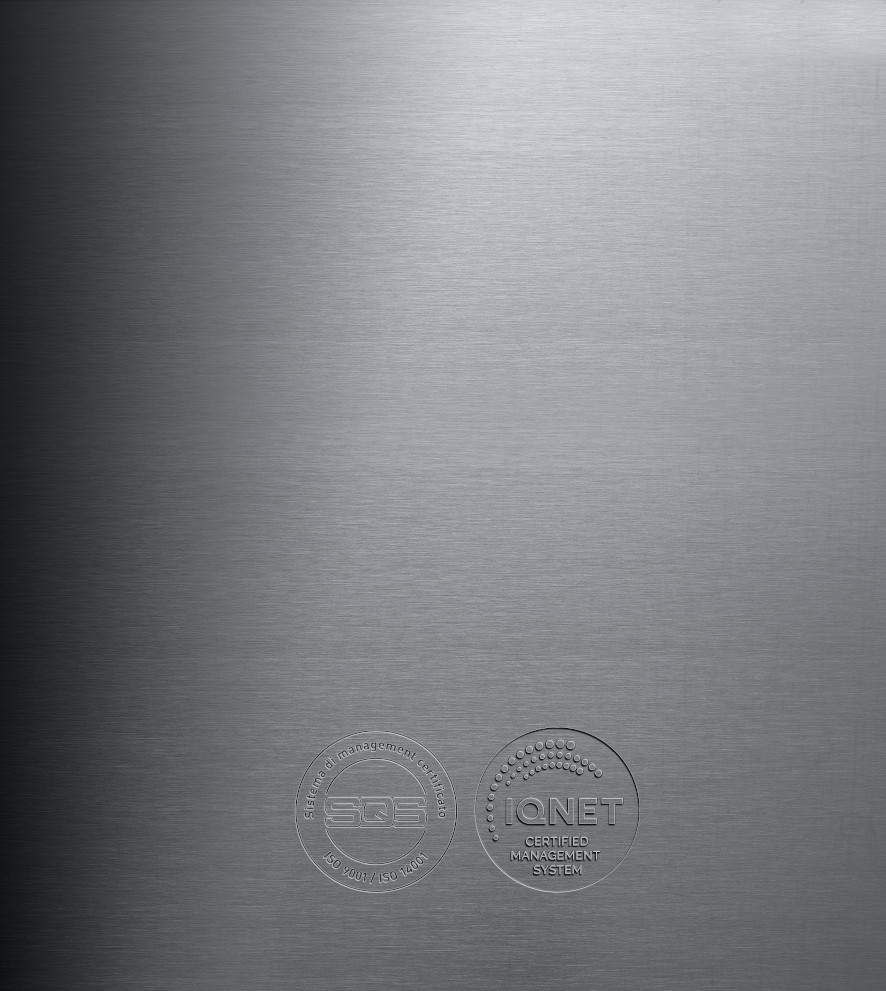
UNI EN ISO 9001 and 14001 certifications ensure quality control and the optimization of production processes, a continuous commitment to improving the environmental management system, and a determination to optimize natural and energy resources with a view to preventing environmental pollution.

THE PURSUIT
OF PERFECTION.
FROM QUALITY
TO ENVIRONMENTAL
PROTECTION.
For Barazza, every action is carried out with a focus on environmental sustainability, using systems and materials designed for high energy savings and reduced environmental impact, in order to pursue the ideal world it wants to leave to future generations. For its products, Barazza primarily uses AISI 304 and AISI 316 stainless steel, a material with a high chromium and nickel content— the raw material that symbolizes its commitment to ecological sustainability, as it is fully recyclable, hygienic, free from toxic emissions, and unalterable over time.

2024 RESULTS AND FUTURE GOALS
The Report brings together the results achieved in 2024 and development objectives across the main ESG areas:
Environment: responsible use of resources, reduction of waste and energy consumption, environmental certifications.
People: enhancing human capital, corporate welfare, training and inclusion.
Territory and network: relationships with customers, suppliers, institutions, and local communities.
Governance and innovation: responsible management models and sustainability-driven design.
BARAZZA SUSTAINABILITY REPORT
A MEASURABLE COMMITMENT.
For Barazza, sustainability is a journey built on daily choices, responsibility, and continuous improvement. The Sustainability Report was created to present this commitment in a transparent and structured way: a document that makes results, methodology, and direction visible, integrating sustainability into the way we design and do business.
Prepared in accordance with the most up-to-date international standards, the Report marks a concrete step forward: not only a disclosure tool, but also a means of awareness to measure impact, identify priorities, and define future goals.
RESOURCES THAT MATTER:
MATERIALS, ENERGY, WASTE.
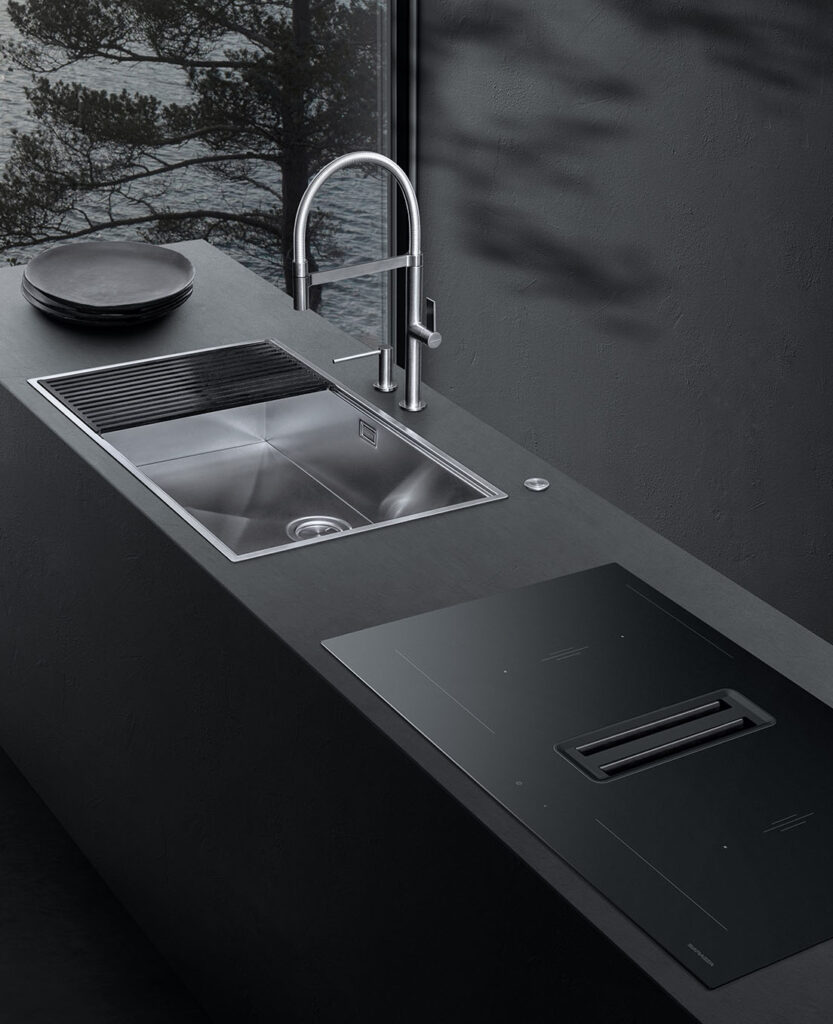
Sustainability is built through even the most concrete choices: the materials we select, the energy we use, and the way we manage the waste generated throughout production processes. For Barazza, these three areas are key levers to reduce impact and improve, year after year, the efficiency of how we do business.
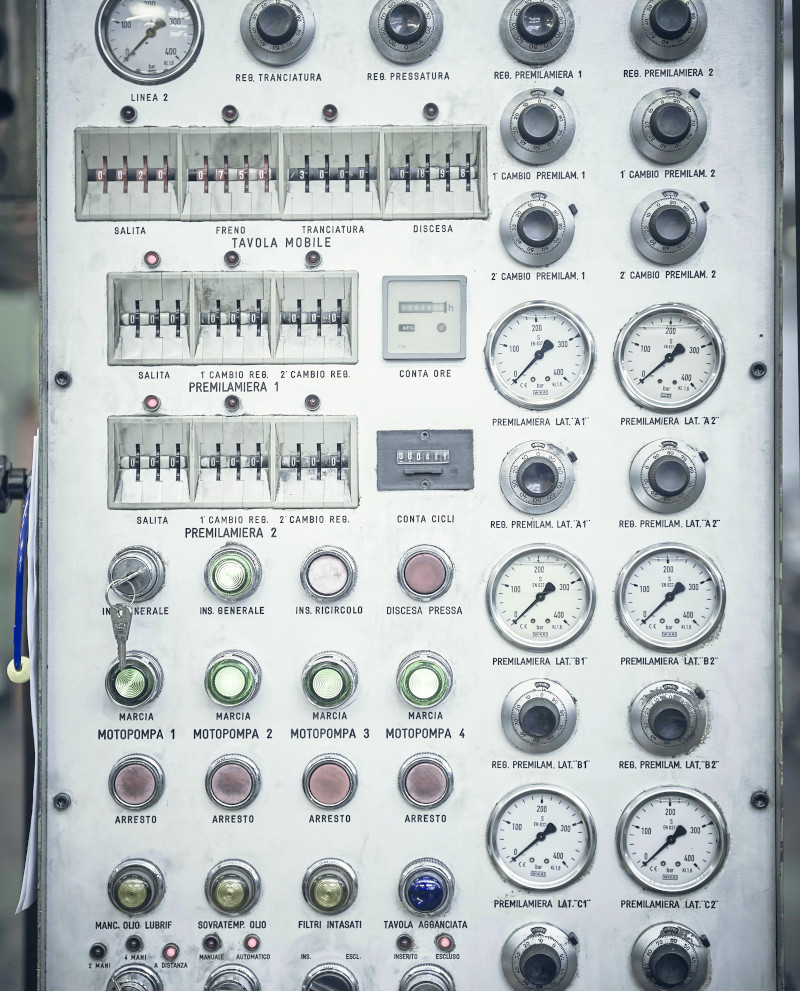
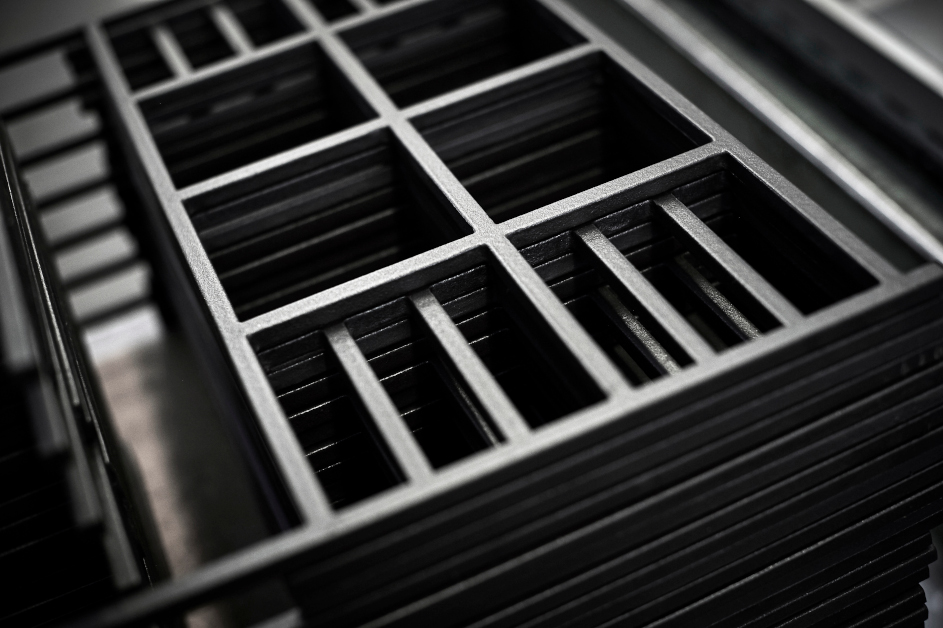
Materials means designing with attention to the product’s life cycle, prioritizing solutions that promote durability, recovery and reuse of scrap, and monitoring inbound and outbound flows in a structured way.
Energy means measuring consumption, identifying efficiency measures, and working towards the progressive optimization of energy sources and processes.
Waste means separate collection, proper traceability, and responsible management of all waste streams, including those requiring specific procedures, in full compliance with regulations.
An approach that is part of an organized and verifiable pathway, focused on continuous improvement and supported by management systems and environmental certifications.